AI In Automotive: It’s Presence and Impact on Your Business
![]()
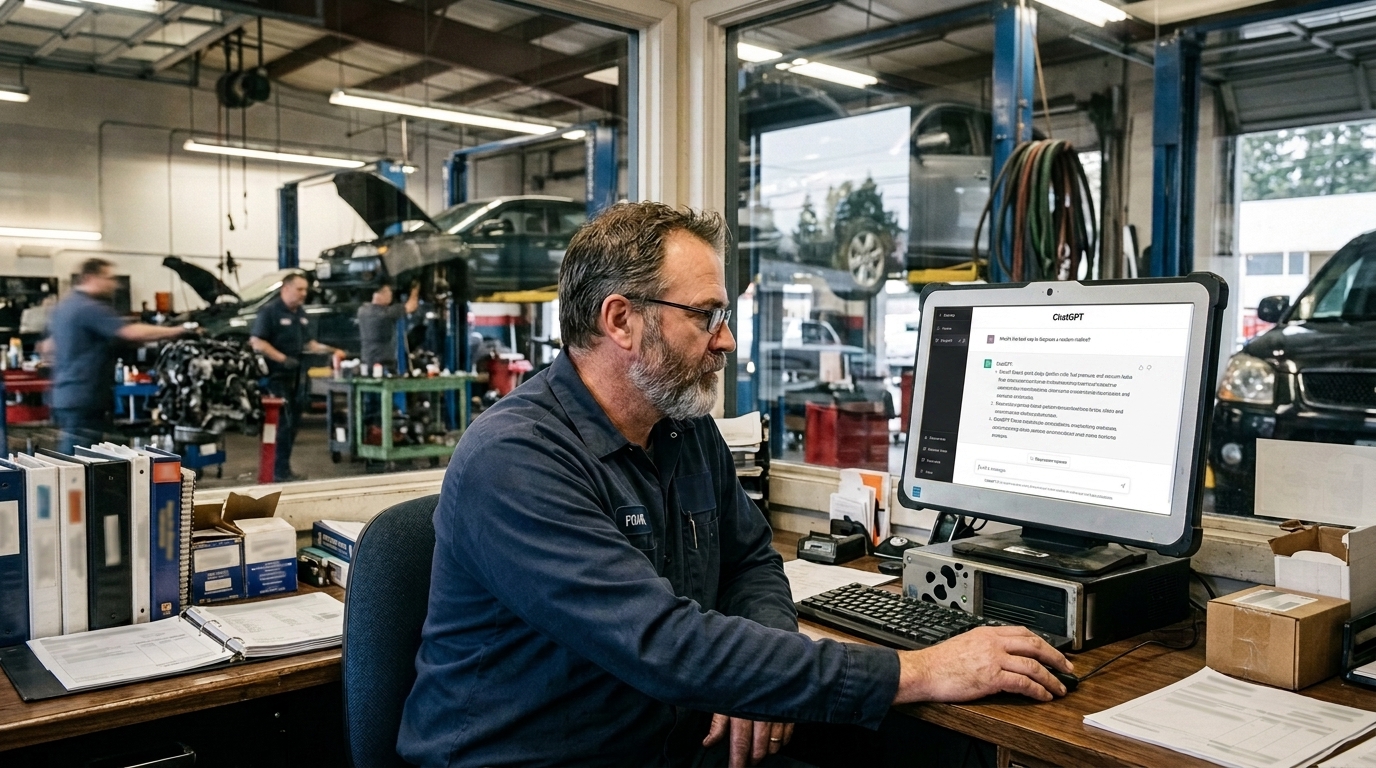
Artificial Intelligence (AI) is becoming an increasingly common part of most workplaces. Whether for or against AI, there’s no denying that its presence permeates into many areas of operation. The Automotive Repair and Sales Industry is not immune either, with AI impacting on many areas that affect your day-to-day business.
Here are a few key examples of areas in which AI, and the use of AI, can have an impact on your compliance in the legal sphere.
Free to Use AI Services and Privacy Requirements
One of the common trends among businesses is to utilise AI models to help draft response and general correspondence to either staff or consumers. Often times this is done without much thought: You need to respond to a customer letter of demand on an ACL issue, or you need to put a memorandum out to staff that sounds professional, so you run it through ChatGPT or Co-Pilot.
However, there are risks in doing so, primarily in breach of privacy. For example, entering in the contents of a letter from a member of the public, or entering in documents which have an employee’s details into an AI service can potentially mean that this data is then available as part of the AI Service’s database. Keep in mind that AI learns from input, and unless it is contained in a secure system, will retain the data it is provided.
This means that savvy parties may be able to access data entered by yourself or unsuspecting staff, which could have an impact on your business if it’s found to breach privacy laws. The Office of the Australian Information Commission (OAIC) has already begun doing spot checks on businesses for privacy, including in the use of AI, and have the capacity to issue fines and other penalties for non-compliance.
Interactions with Staff and the General Public
Even where a business does not use AI, its presence is being felt in the legal sphere, with both customers and employees alike using AI for things such as Consumer Law claims, or in correspondences to employers (such as challenges on pay, grievances and other documents). As we speak, the Fair Work Commission has sought feedback on new protocols to deal with AI drafted Applications for Unfair Dismissal/General Protections, following an increase in almost 70% in claims since last year.
The primary issue is the tendency of AI to ‘Hallucinate’, that is provide answers which are neither accurate, legally sound, or use proper legal sources (such as case law). It is easy for employers and employees alike to be fooled by these documents, especially when AI allows for prompts such as ‘respond to this letter’ and other similar tools.
Another example is where a customer who has no or limited knowledge of repair processes, uses AI to explain how a repair ‘should’ be undertaken, and uses this as a basis to challenge the skill and care undertaken in your work. Given the recent cost of living crisis, many customers are looking to save some money, either by challenging repairers processes (and bills) or seeking remedy under the Australian Consumer Law. It is vital that a business apply proper scrutiny, and/or seek appropriate advice when faced with an AI drafted response or letter.
Compliance with General Laws
As part of general compliance obligations in areas such as WHS, compliance statements with various regulators, and even in drafting policies, many businesses are turning to AI for general templates. Whilst these can be useful in establishing a base to work from, it is important to note that AI cannot always ensure a business is meeting its specific compliance requirements. Business owners need to apply appropriate scrutiny to the documents that AI is producing and ensure that it correctly addresses the compliance requirements placed on a business.
For example, a safety management system for a specific piece of equipment may require you to ensure that specific elements of risk are appropriately addressed or require that you make specific assessments of your specific equipment type and risk. Relying solely on AI, without appropriate scrutiny, could put you in a position where a regulatory body (such as SafeWork NSW) may hold you in breach, even if you think you’re covered.
Recent NSW Government legislative changes in relation to WHS have now imposed obligations upon employers to consider what, if any, psychosocial risks the implementation of AI Platforms may have upon employees. If you are considering implementing “Digital Work Systems” which include such systems as rostering tools, performance monitoring systems or utilise AI in respect to hiring decisions, employers need to consider what effect these tools will have on workloads for employees as well as how they may assess or track the performance of employees.
When AI Can Assist in Maintaining Legal Compliance
Purpose-built AI platforms can also play a positive role in workshop operations when they are designed for a specific business function. For example, MTA NSW Group partner Coax had created a platform that uses AI to record and summarise customer calls and voicemails, helping workshops reduce manual notetaking and maintain a clear record of customer conversations. Unlike using a general-purpose AI tool to draft responses or upload documents, these types of systems are designed to support day-to-day customer communication and workflow. Businesses should still understand how any platform handles customer information and ensure it aligns with their privacy obligations before implementing it.
In summary, AI will continue to make itself known in the industry and likely impact the industry further as it grows. Businesses seeking further information on how AI may impact them, or who have any questions, should contact our Legal Team by emailing [email protected] or calling 9016 9000.
< Back