NSW Budget Delivers Cost Relief, But Misses Opportunities for Automotive Skills and Tax Reform
![]()
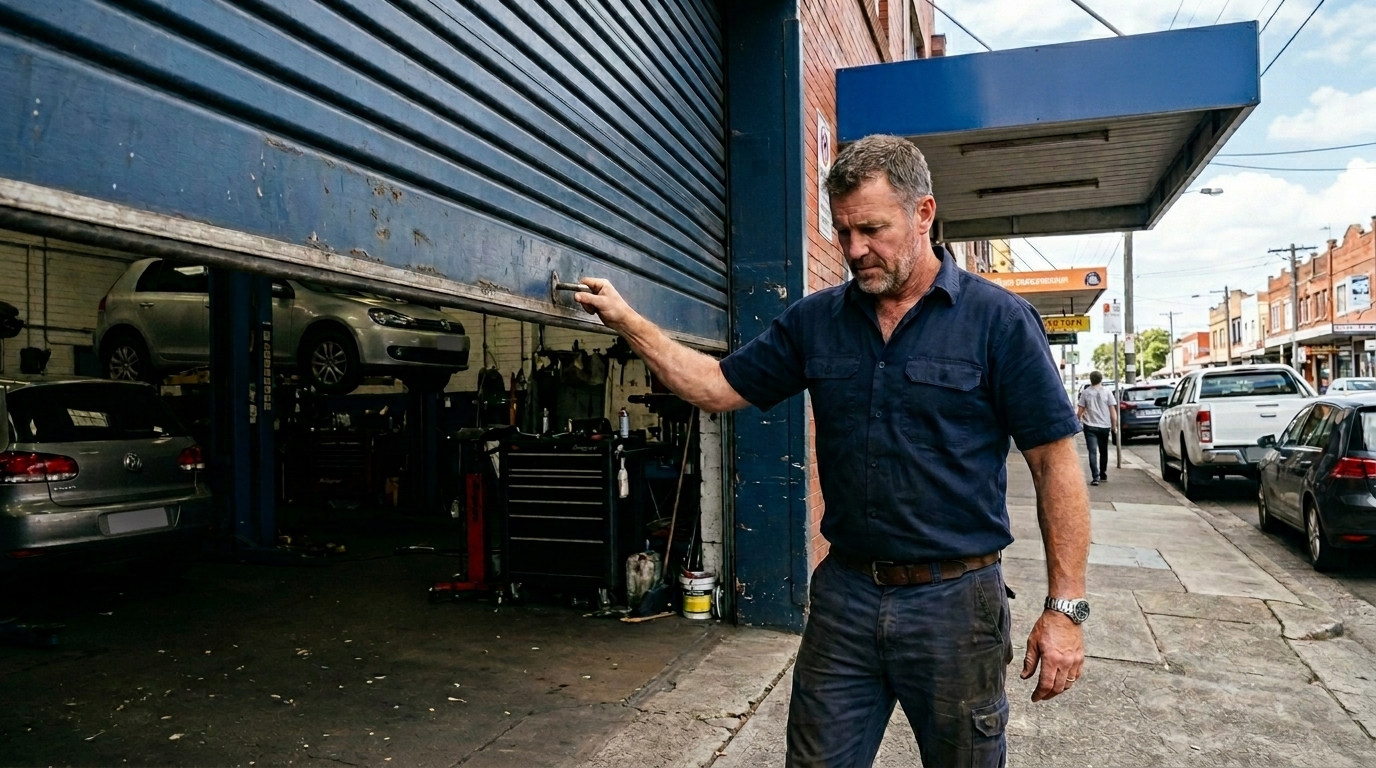
The NSW Government has handed down its 2026–27 State Budget, with a clear focus on cost-of-living relief measures for households and modest support for businesses, but limited direct benefits for the automotive industry.
The state will remain in deficit for an eight consecutive year, with a projected shortfall of $2.3 billion. While the budget position is improving, the Government does not expect to return to surplus until 2028/29.
For motorists, the budget introduces temporary relief measures. These include a $100 reduction in private vehicle registration costs and a lowering of the toll cap from $60 to $50 for a 12-month period. While welcome, these measures are short-term and do not address broader cost pressures facing automotive businesses or their customers.
For business operators, the standout measure is a two-year freeze on workers compensation premiums, providing some stability for the approximately 300,000 businesses affected. However, there was no relief on payroll tax, a key concern for many MTA NSW members.
Importantly, the budget delivered no new investment in automotive training, apprenticeships, or TAFE beyond previously announced commitments. While TAFE funding remains significant, several temporary skills programs introduced during the COVID period are coming to an end, and national funding contributions are expected to decline in coming years.
From an industry perspective, the Government’s reliance on the automotive sector as a revenue source continues to grow. Taxes and charges related to motor vehicles are forecast to generate $4.577 billion in 2026/27, exceeding revenue from gambling. Several vehicle-related taxes - including weight tax and stamp duties - are also projected to increase over the forward estimates.
The budget also continues to factor in a road user charge for electric vehicles from 2027, despite ongoing legal uncertainty. This signals that motorists and the automotive sector will remain a key revenue base for the state.
What this means for members: While there are some modest cost-relief measures for motorists and business operators, the absence of new investment in skills and the lack of tax reform represent missed opportunities for the automotive industry.
At the same time, increasing reliance on vehicle-related taxation highlights the ongoing financial burden placed on the sector.
MTA NSW will continue to advocate for policies that support skills development, reduce business costs, and ensure a fair and sustainable regulatory environment for the automotive industry.
< Back